Engaging in swimming offers not only a fun pastime but also enhances physical fitness. For comprehensive insights into swimming as a leisure activity, keep reading.
Swimming is widely recognized as an excellent form of exercise, a delightful hobby, and a sustainable way to maintain health, appealing to individuals of all ages and backgrounds. It’s an ideal physical activity for everyone, from young children to older adults, making it accessible regardless of one’s current fitness level.
If you’re contemplating whether swimming might be the right hobby for you, read on for more details.
Understanding Swimming and Its Potential as a Hobby
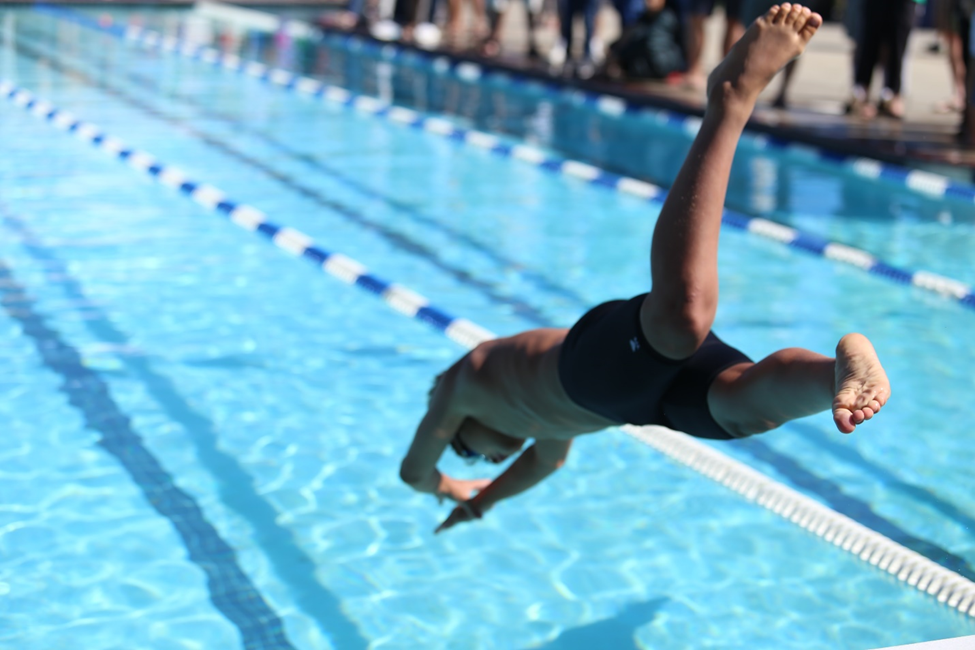
Swimming can be enjoyed individually or in groups and involves propelling oneself through water using one’s body. This activity can take place in various environments, including public or private pools, lakes, rivers, and oceans. It’s a popular choice for both recreational and competitive activities.
The joy of swimming transcends generations, serving as a low-impact recreational activity with numerous benefits for both mental and physical health. This relaxing sport can greatly enhance your well-being during your leisure time.
Beyond being enjoyable, swimming provides an effective means to boost fitness levels, maintain overall health, and foster social connections. Some commonly practiced swimming strokes include:
- Backstroke
- Breaststroke
- Freestyle
- Sidestroke
Who Enjoys Swimming?
You don’t need to be exceptionally fit or athletic to enjoy swimming. People of all ages, from toddlers to the elderly, partake in this activity. Those who begin swimming early often find it becomes a lifelong passion.
Swimming is inclusive and caters to everyone, making its popularity evident at any local public pool.
What Are the Advantages of Swimming as a Hobby?
Swimming benefits every aspect of your body, mind, and energy levels. Below are several noteworthy advantages of taking up swimming as a pastime:
Enhanced Sleep Quality
This may be one of the most significant health benefits of swimming.
Regular swimming workouts can lead to better sleep, making it an excellent choice for those struggling with insomnia or poor sleep quality.
Mood Improvement
Physical activity stimulates the release of endorphins, which elevate mood. Additionally, swimming is a fun activity, and enjoying yourself typically leads to increased happiness.
For those dealing with mental health issues like depression and anxiety, embracing swimming as a hobby can provide considerable relief.
Joint-Friendly Exercise
In comparison to jogging, cycling, or weightlifting, swimming is a low-impact exercise, reducing strain on your joints.
This makes swimming a viable option for individuals with injuries, arthritis, or those who are pregnant.
Effective Calorie Burner
Swimming is a fantastic full-body workout that helps in burning calories.
A few laps in your local pool daily could assist in shedding those extra pounds.
Are There Any Drawbacks to Swimming as a Hobby?
While swimming is generally a fantastic way to stay active, it does come with certain disadvantages. Spending extensive time in the water, whether in pools or natural bodies of water, can carry some risks.
Here are some potential downsides to consider:
- Drowning Risk: The most significant concern with swimming is the possibility of drowning, particularly for those who are still learning this skill. It’s vital to exercise caution around water at all times.
- Pool Chlorine: Chlorine is essential for maintaining pool hygiene, but excessive exposure can lead to skin dryness, headaches, and eye irritation.
- Fungal Infections: Swimming can sometimes lead to fungal infections, such as athlete’s foot, particularly when proper hygiene practices aren’t followed.
How to Start Swimming as a Hobby
Getting started with swimming is uncomplicated, as it accommodates various fitness levels. However, certain preparations are necessary before you jump into the water.
The first step is identifying a safe and appropriate place to swim. Many public pools are available for free across the country. If you’re new to swimming, seeking out a trainer for guidance can be beneficial.
Essential Gear
The primary requirement for swimming is a suitable swimsuit, which can range from bikinis to trunks for different ages and genders. You can also invest in additional gear to enhance your swimming experience.
If you’re planning on swimming underwater, goggles are crucial. Parents should encourage their children to wear these to protect their eyes from chlorine. Floatation devices such as arm bands, seats, and rings may also be necessary for youngsters learning to swim, providing buoyancy and safety.
Advanced swimmers may choose to purchase items like paddles, gloves, caps, and fins to further improve their skills. Equipment can be purchased at local sports shops, online, or at pools.
Initial and Ongoing Costs
The initial costs for beginning a swimming hobby usually include purchasing necessary gear. Prices may vary based on the type of apparel and equipment you select.
Finding a secure swimming environment is the next essential step. Most cities feature public pools where you can learn and receive training from qualified instructors, with potential fees for access or membership to utilize these facilities. Accessing natural bodies of water, such as lakes and oceans, is typically free.
Swimming-Related Activities
Gymnastics bears numerous similarities to swimming, as both sports involve various body movements reminiscent of popular swimming strokes.
Dancing is another activity comparable to swimming, as both involve rhythmic movement of the body.
Alternatives to Swimming as a Hobby
Swimming can be physically demanding, especially when pursued at a competitive level. Therefore, it’s beneficial to have some recreational activities to help unwind after intensive swimming sessions.
While swimming may be your primary pastime, diversifying your interests can add enjoyment outside of the pool. Alternatives can include cooking, listening to music, or practicing meditation.
Is Swimming a Potential Income Source?
Although swimming may not be as financially rewarding as other sports, professional swimmers can earn money through competition victories and sponsorships from well-known brands. While high visibility sports like football, cricket, basketball, and tennis often overshadow swimming in terms of popularity, participation rates reveal significant accessibility for both young and old swimmers alike.
- In Australia, nearly 2.98 million adults over the age of 15 engage in swimming, comprising 14.8% of the adult population.
- In England, 3.8 million adults participated in at least two swims in November 2022, marking an increase of 1.8 million compared to the previous year.
- In Singapore, over 6 million residents and visitors utilized swimming pools in 2018.
Like any sport, professional swimming requires considerable effort and training from a young age. If you’re looking to generate income through swimming, you might consider alternative methods, such as betting. While competitive swimming garners significant attention during the Summer Olympics every four years, betting on swimming events remains less common outside of this timeframe. However, with a variety of races featuring different strokes, there is potential for fan engagement.
Various competitions like the Swimming World Cup, European Championships, U.S. Open, and Duel in the Pool offer opportunities for betting, with most platforms refreshing their lines only during major events. Nevertheless, there remains limited betting activity focused on swimming.
In conclusion, numerous public swimming pools are available offering courses for all ages, where you can learn swimming skills through group lessons, individual instruction, or activity-based classes.