Once again, Bad Bunny didn’t merely take to the stage—he conveyed a powerful message.
At Santa Clara’s Levi’s Stadium, the Puerto Rican music icon headlined the most-viewed Super Bowl halftime show ever, attracting an estimated 135 million viewers. While the music set the tone, the visuals told just as profound a story. Each stage element, costume detail, and guest appearance was intricately layered with significance, transforming the nearly 14-minute performance into a heartfelt tribute to Puerto Rico and the wider Latino community.
Confronting critics who challenged the NFL’s decision, Bad Bunny proudly embraced his heritage, filling the spotlight with symbols of history, perseverance, pride, and home. Here’s a closer look at the impactful hidden messages embedded within the performance.
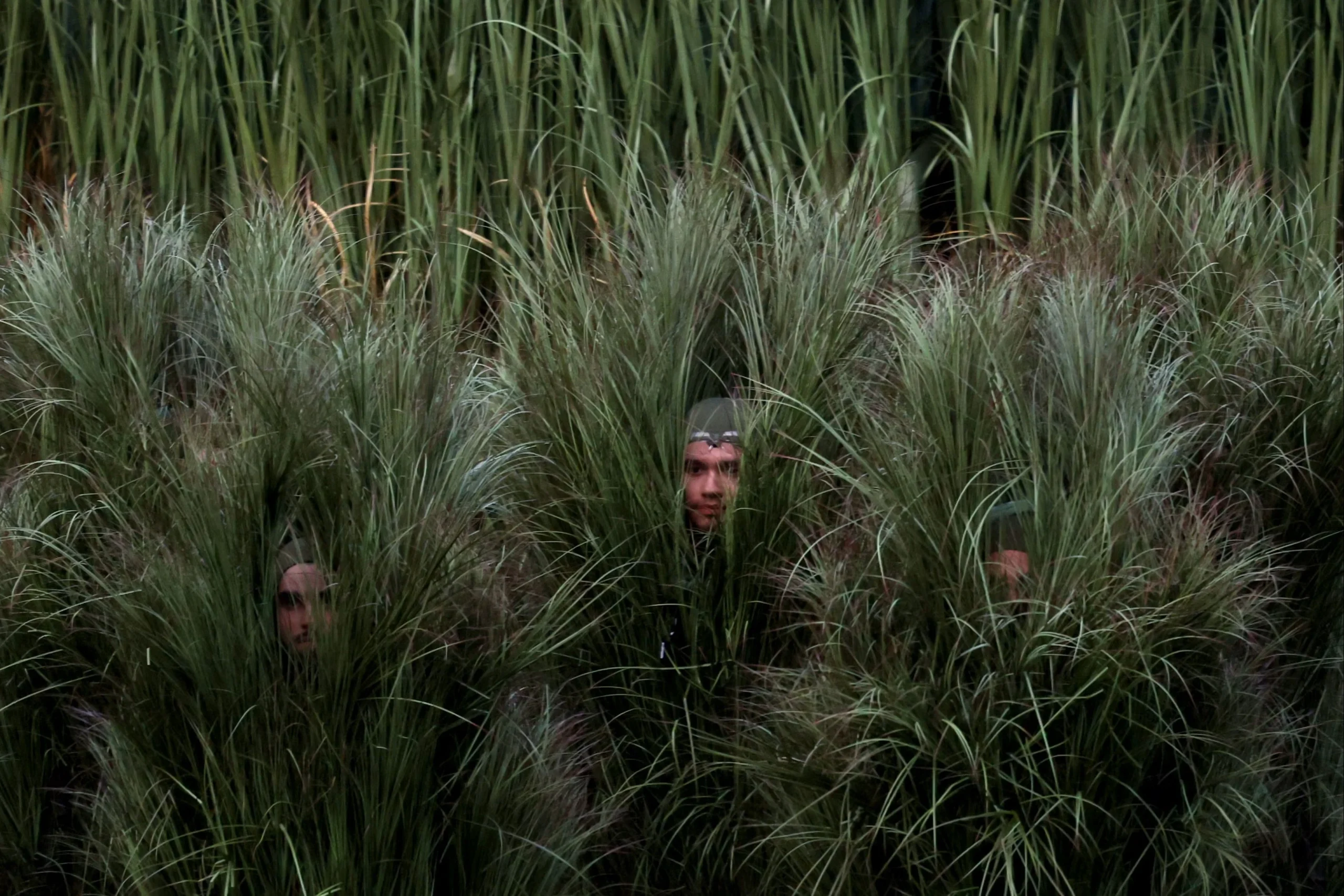
1. Sugar Cane Fields
The performance kicked off with dancers positioned amongst towering sugar cane stalks—a poignant nod to Puerto Rico’s colonial history. The sugar industry once powered European empires while local workers, often enslaved, bore the brunt of its consequences. This visual served as a subtle but heavy reminder of the exploitation entwined with the island’s past.
2. Family Ties in the Outfit
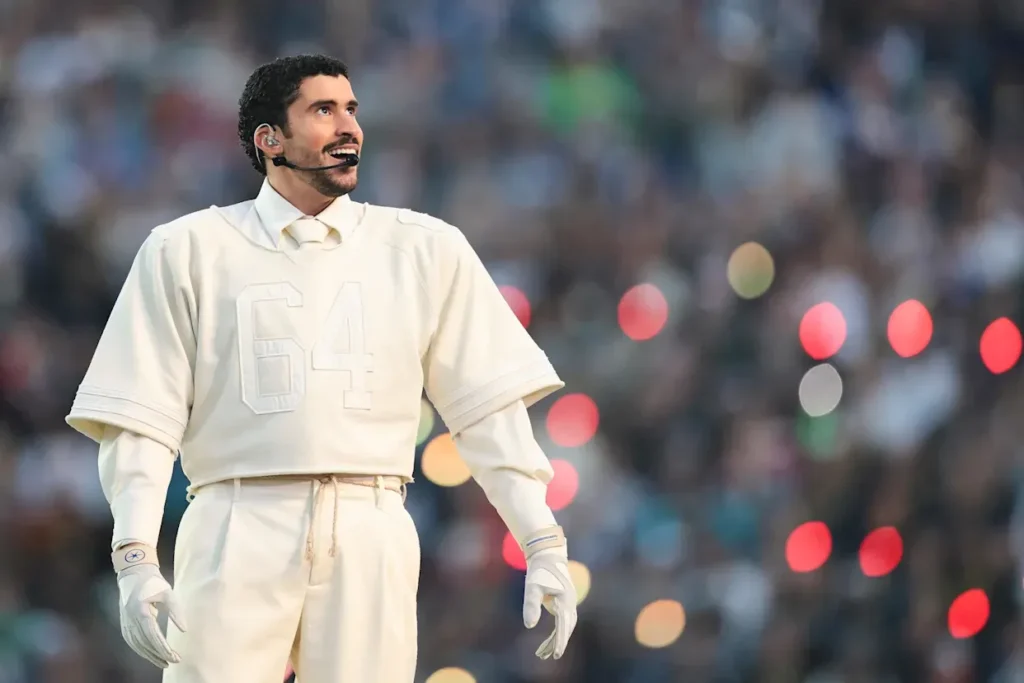
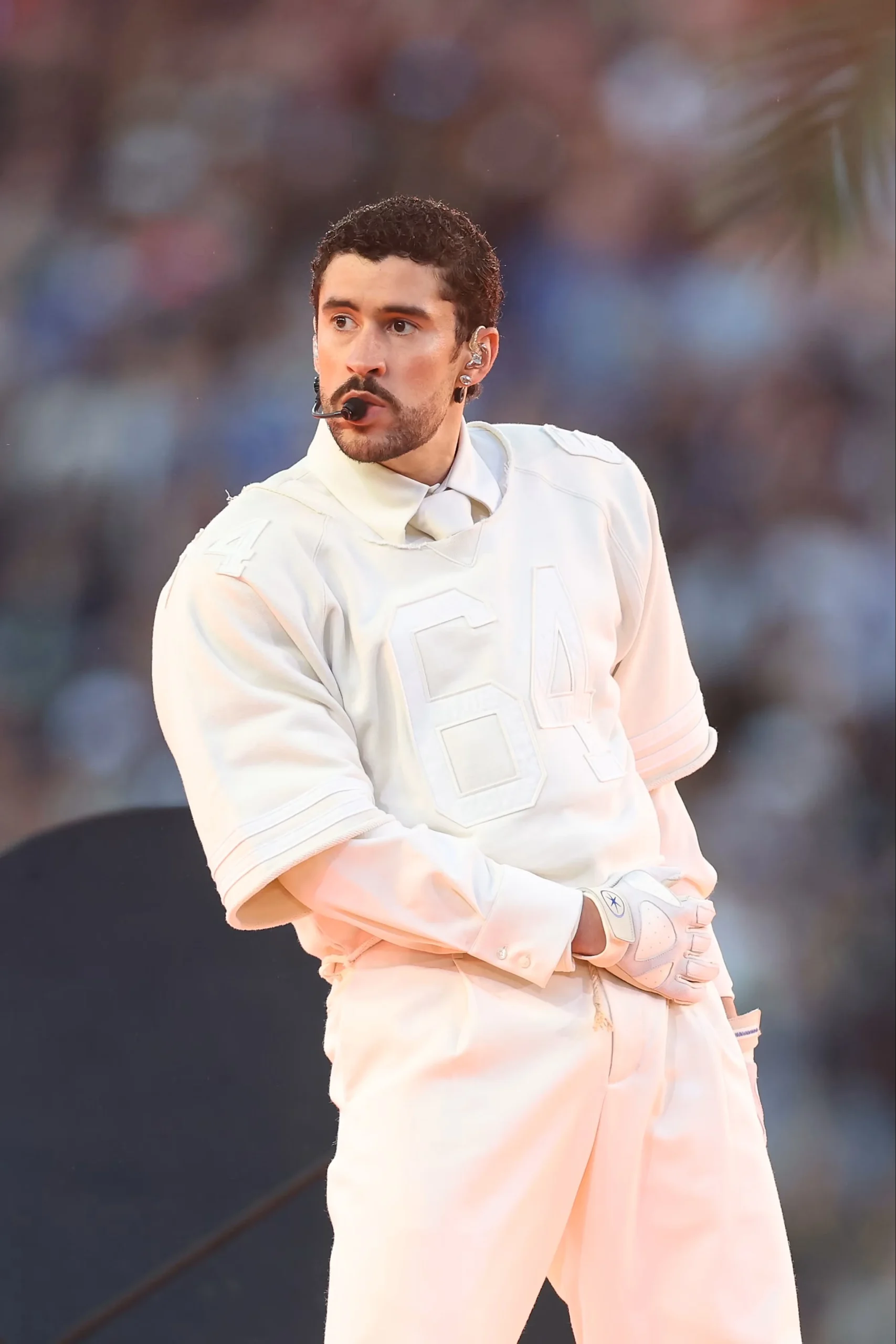
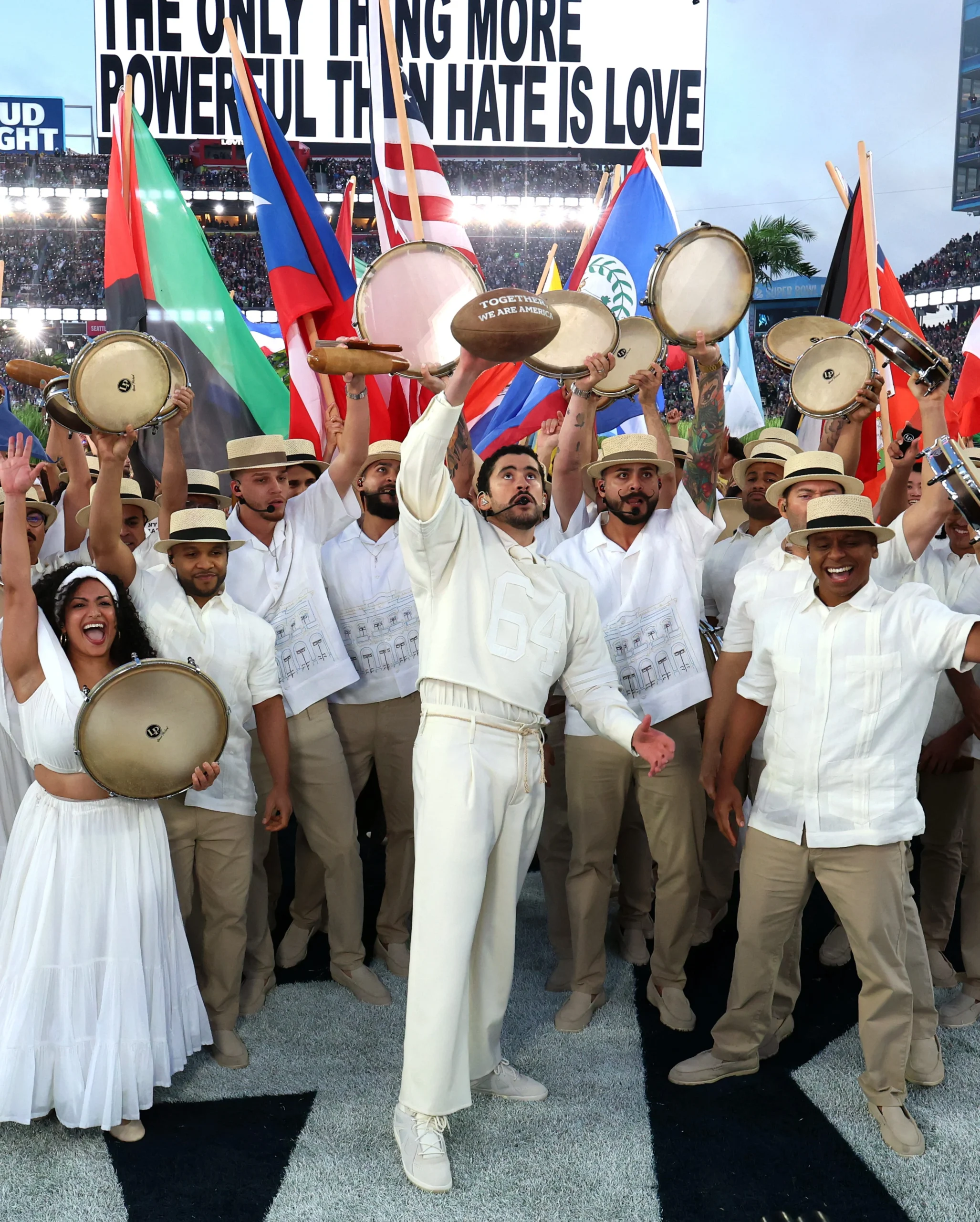
Bad Bunny took to the stage clad in a sleek all-white ensemble by Zara, anchored by a jersey featuring the number “64.” This homage was a tribute to his uncle, after whom he was named, and who wore that number during his own football days. The back of the jersey, emblazoned with the name “Ocasio,” further emphasized family pride.
3. Recreating Community
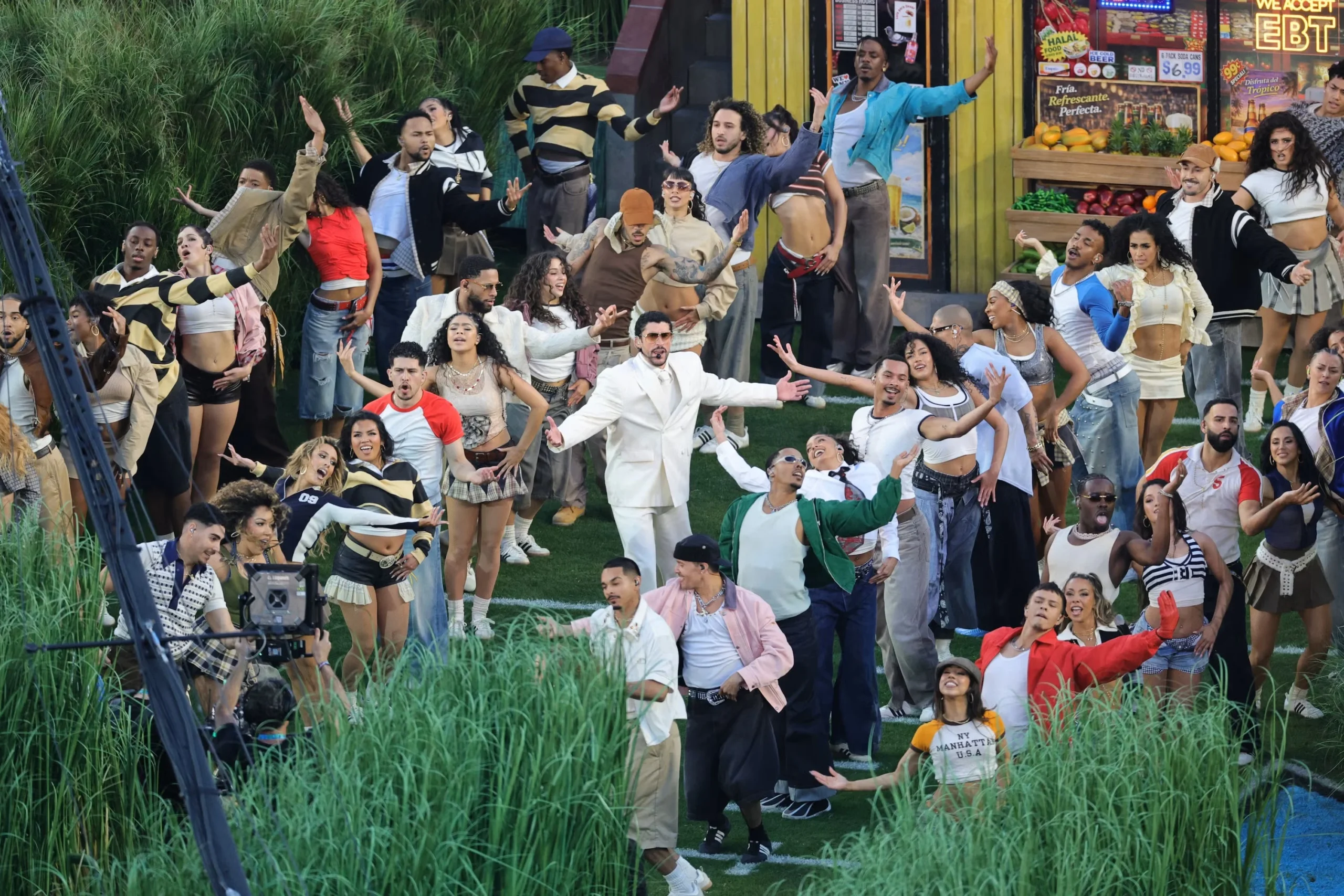
As he navigated the stage, scenes depicting everyday life in Puerto Rico came alive—elders engaged in domino games, women pampering themselves, street vendors hawking jewelry, culinary delights, and shaved ice. These vignettes recreated the essence of home, resonating with themes from his acclaimed album Debí Tirar Más Fotos.
4. The Power Outage
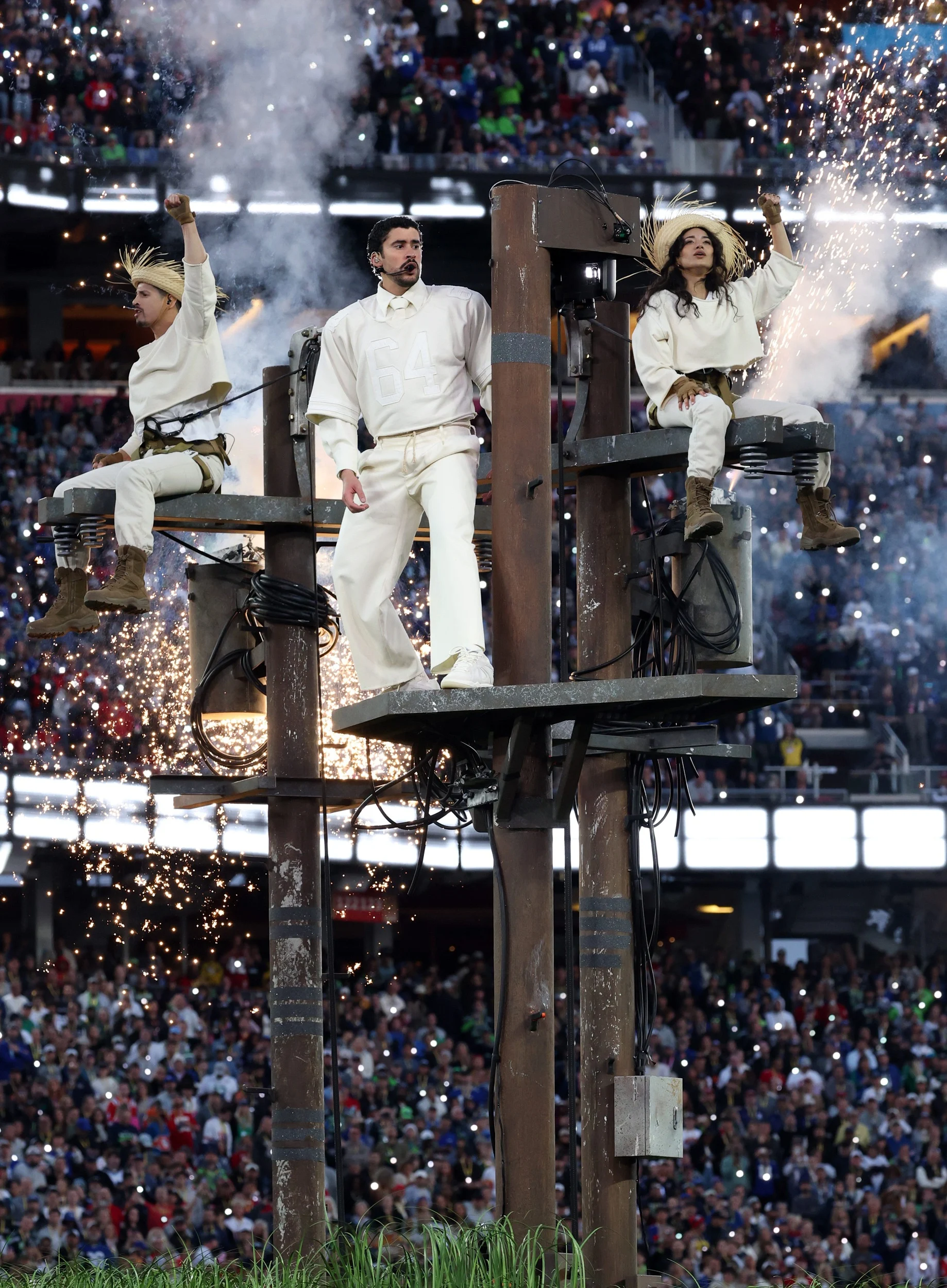
During the track “El Apagón,” dancers ascended sparking electric poles, symbolizing Puerto Rico’s vulnerable power infrastructure and the severe blackouts that ensued after Hurricane Maria. This moment directly connected to Bad Bunny’s enduring critique of governmental failings throughout the island.
5. The Billboard Message
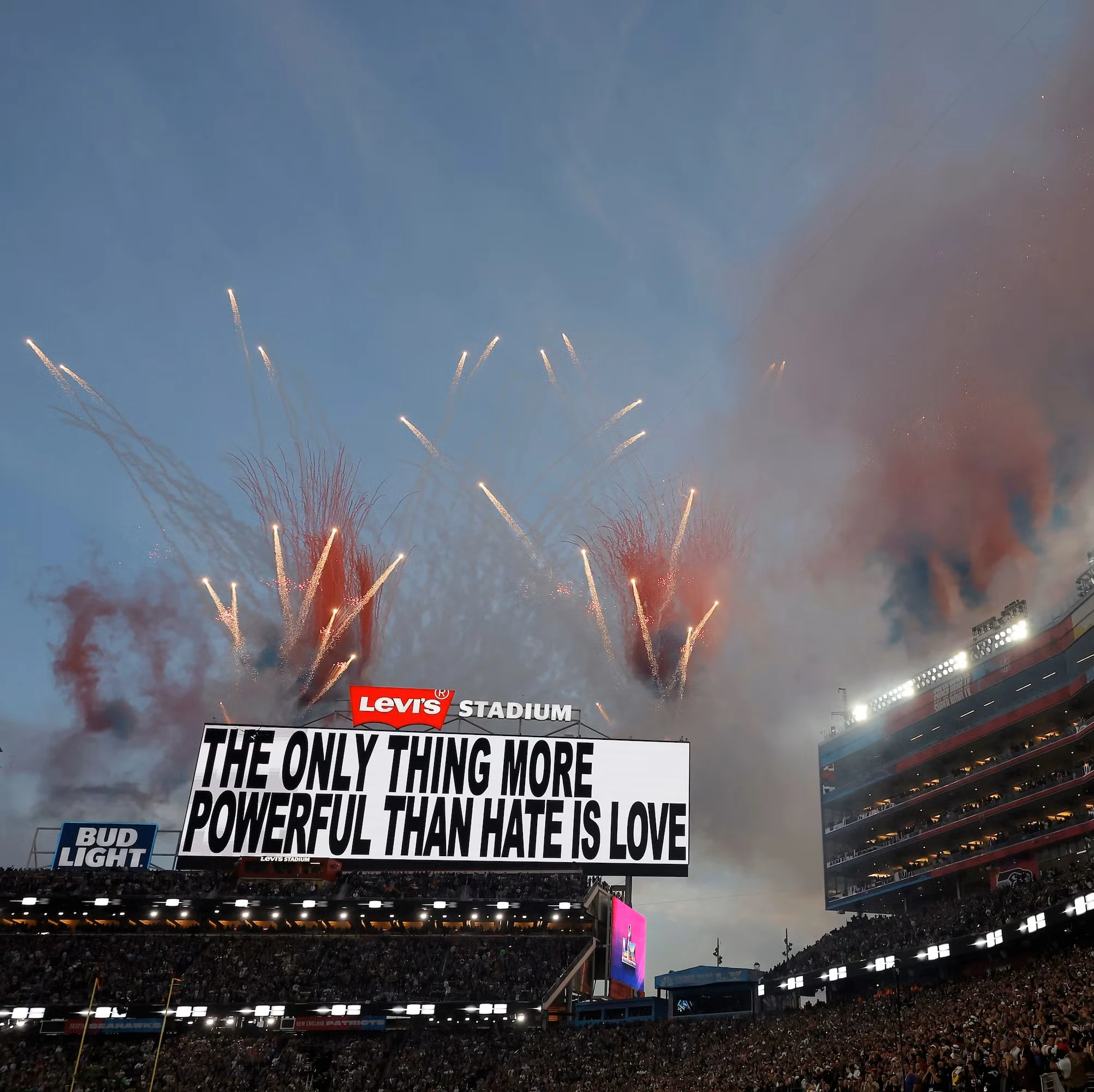
A luminous sign proclaimed, “The only thing more powerful than hate is love.” This sentiment echoed Bad Bunny’s previous remarks regarding immigration, ICE operations, and societal division—conveyed with clarity and without explicitly targeting individuals.
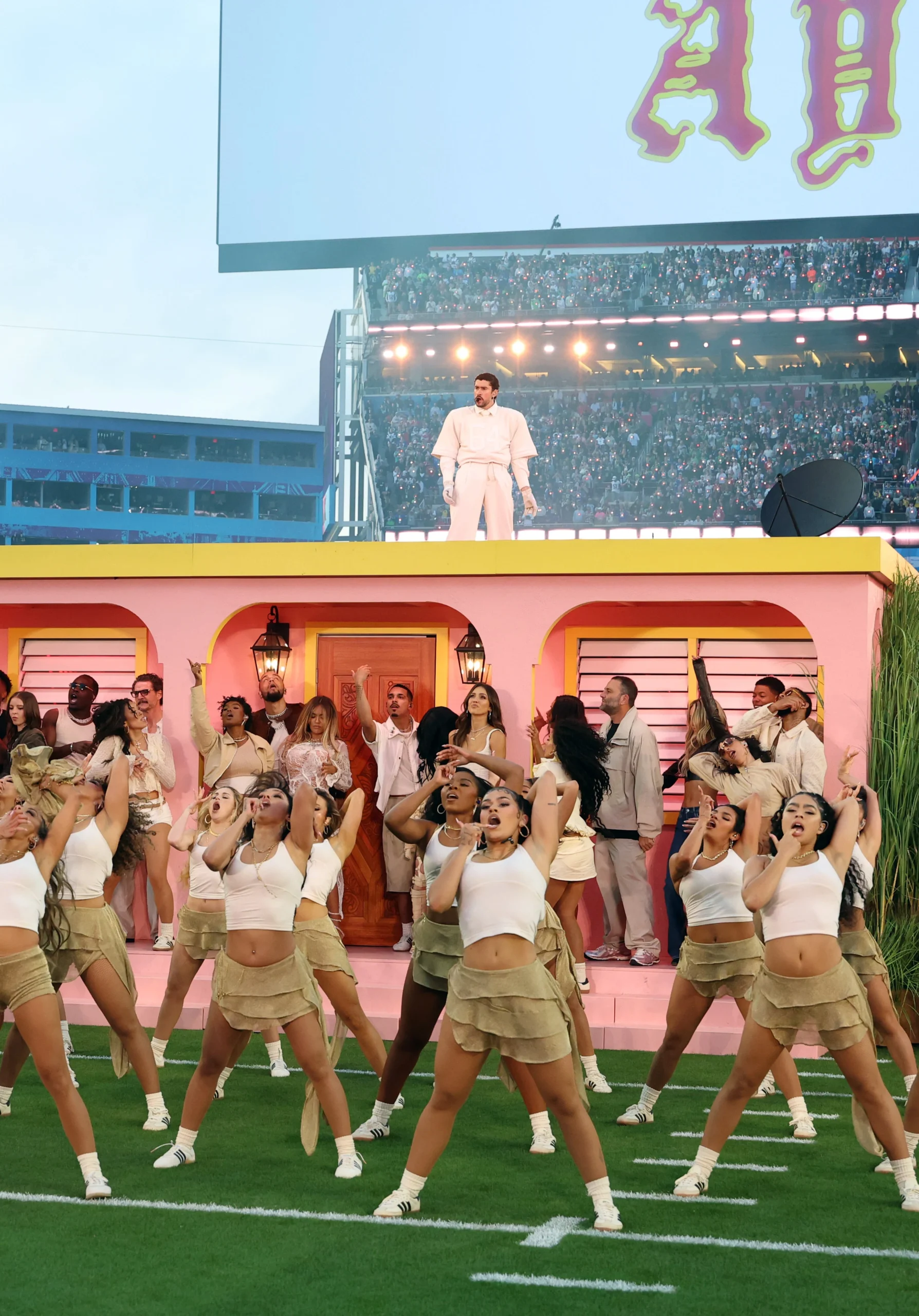
6. The Casita
The pink cement “casita” made a reappearance—a recognizable motif from Debí Tirar Más Fotos. This structure symbolizes traditional rural homes and has surfaced repeatedly in his performances. Bad Bunny performed from the rooftop as celebrity guests danced below, reinforcing its significance.
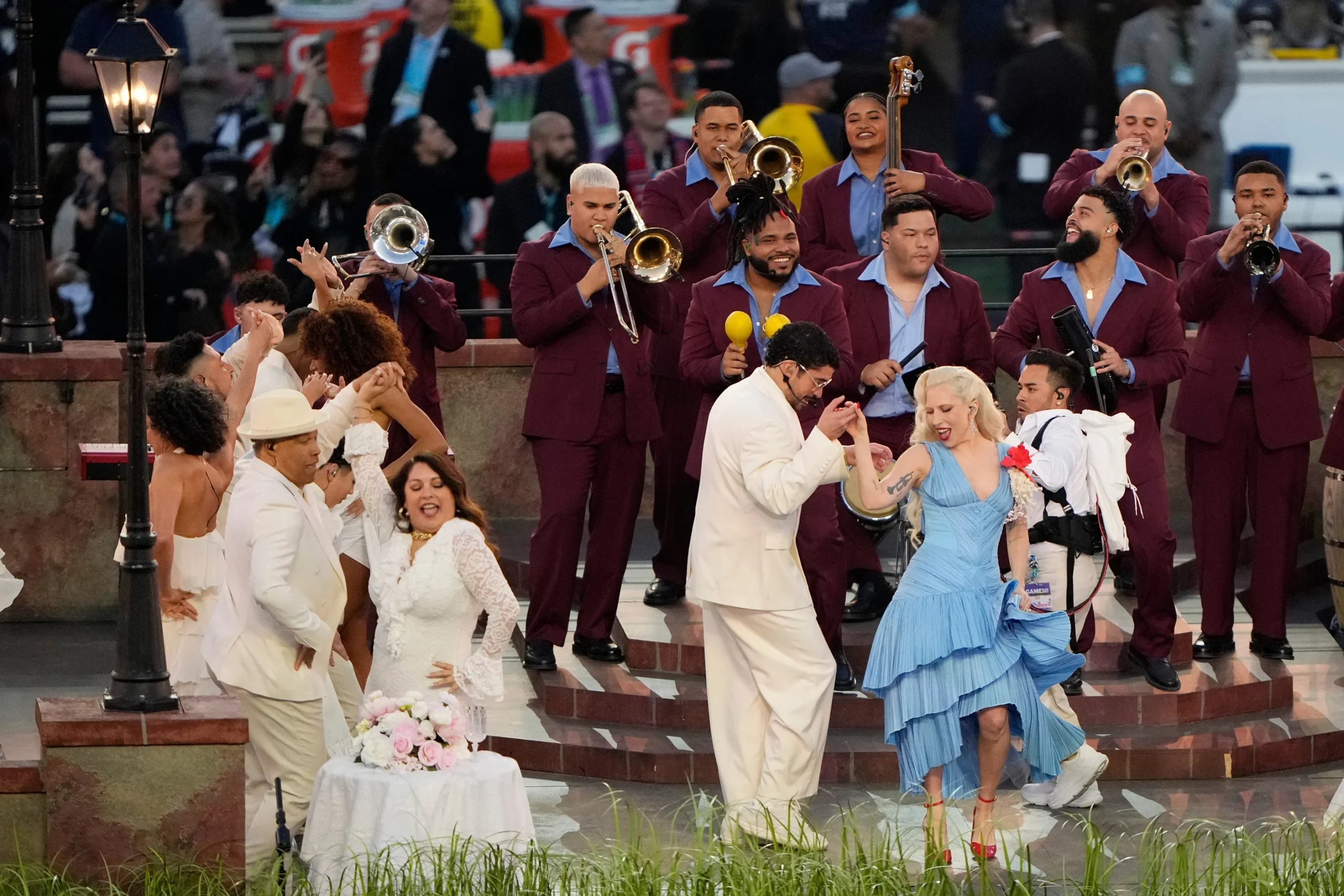
7. El Morro
A replica of Castillo San Felipe del Morro emerged mid-performance, coinciding with Lady Gaga’s surprise appearance. This historical fortress in San Juan symbolizes resilience, protection, and Puerto Rican identity.
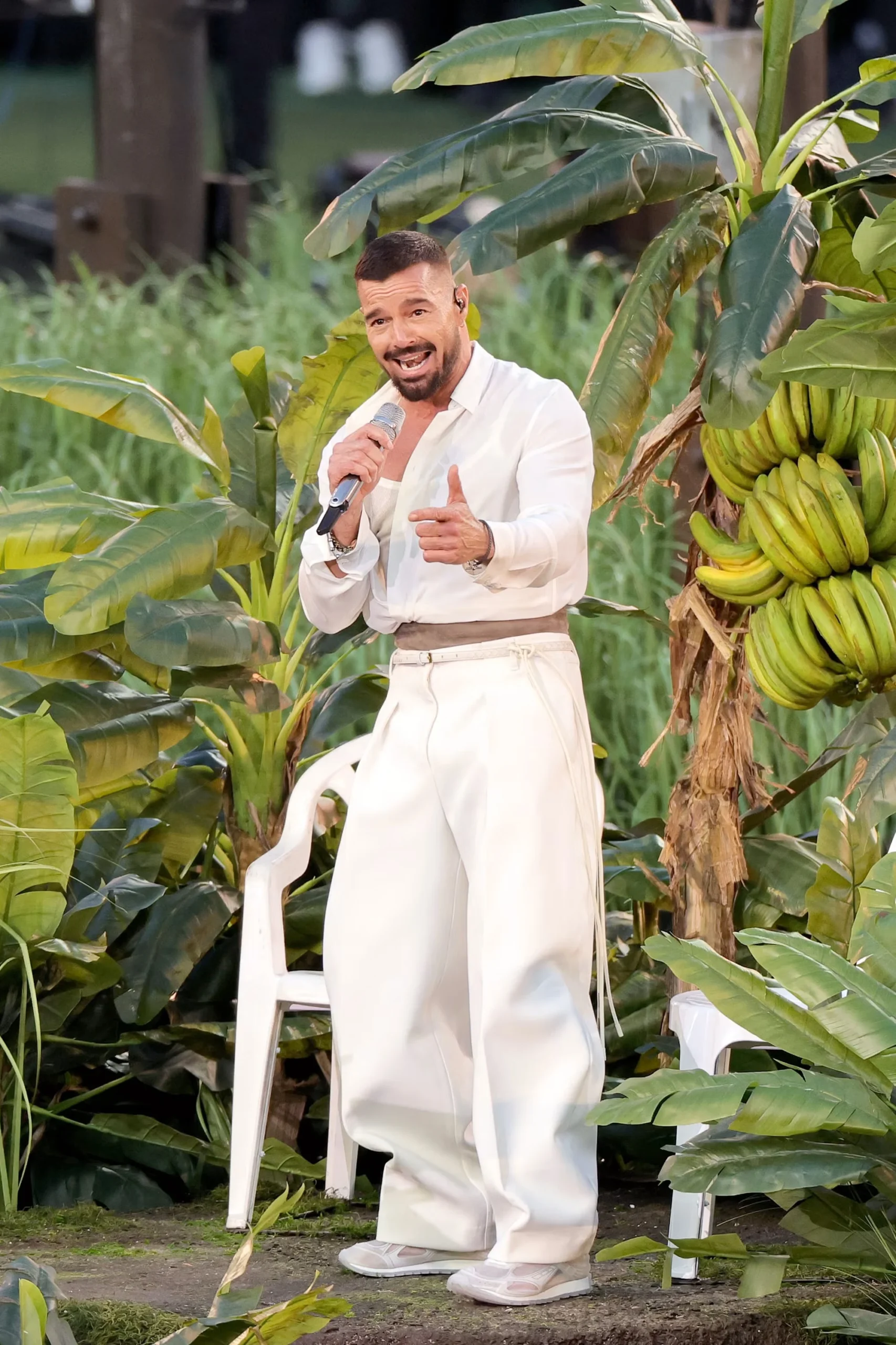
8. Ricky Martin’s Cameo
Ricky Martin appeared amidst banana trees, collaborating with Bad Bunny for “LO QUE LE PASÓ A HAWAii.” The song draws analogies between the colonization of Hawaii and Puerto Rico, highlighting issues of displacement and gentrification.
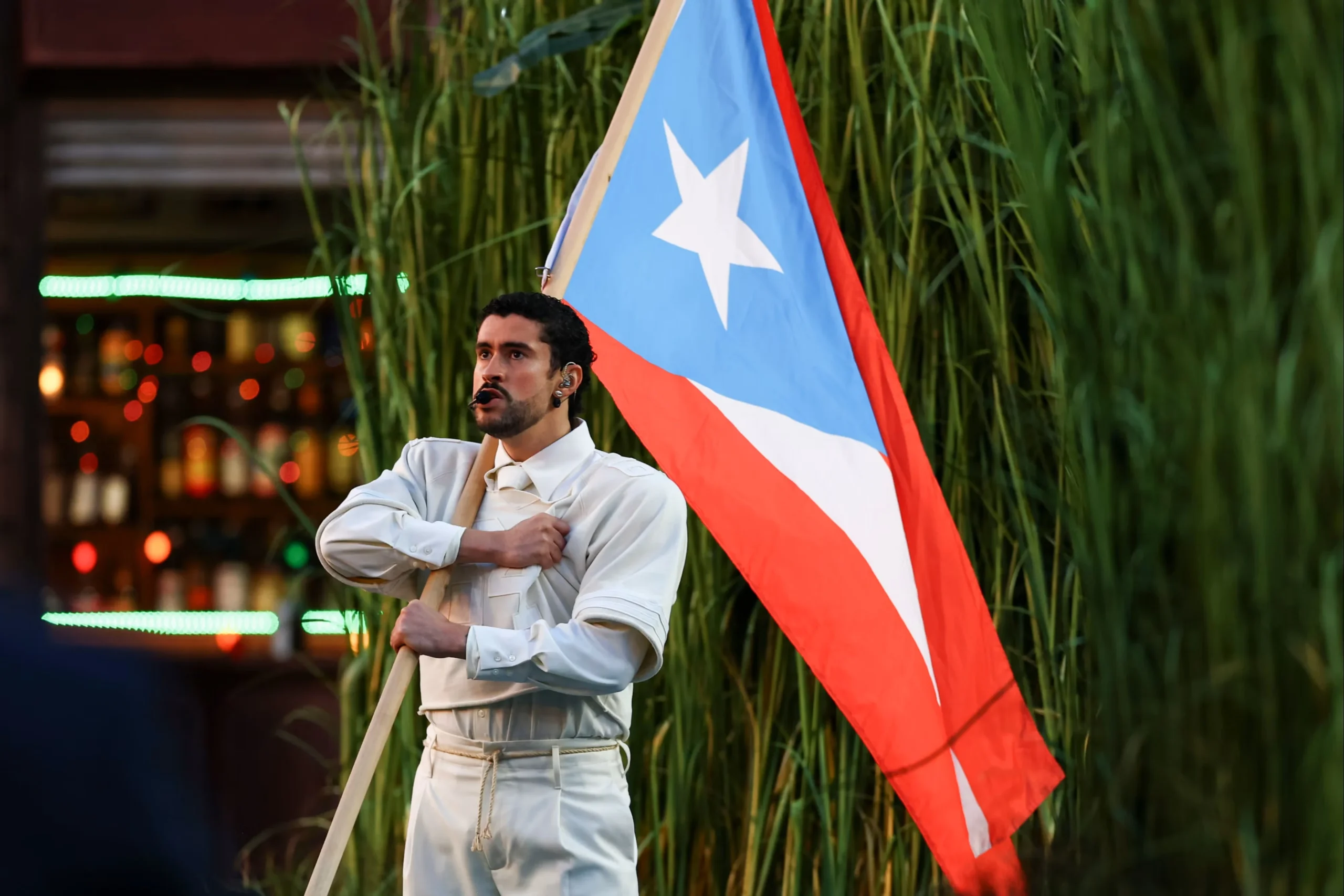
9. The Pro-Independence Flag
Bad Bunny brandished a Puerto Rican flag featuring a light blue triangle—an emblem tied to the island’s independence movement. This hue appeared throughout the performance, including in Lady Gaga’s outfit, which showcased the flor de maga, Puerto Rico’s national flower.
10. “God Bless America” — Redefined
The performance concluded with Bad Bunny proclaiming, “God bless America,” while naming countries from North, Central, and South America. Flags waved behind him as he held a football inscribed with the message, “Together, we are America,” reshaping the narrative of those included in that statement.
From his attire to the stage design, the halftime show was anything but neutral. It was a rich blend of culture, politics, emotions, and unabashed Latino pride. And with the record-setting viewership, it was clear that audiences were not only watching; they were truly engaging.