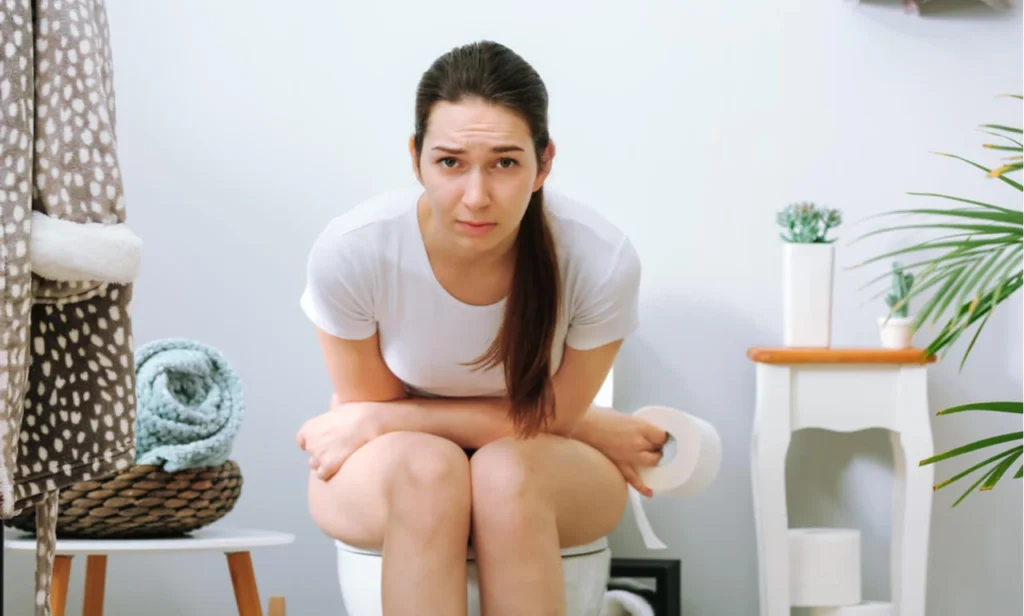
Constipation is a prevalent health concern. The National Institute of Diabetes and Digestive and Kidney Diseases (NIDDK) reports that approximately 16% of adults in the U.S. experience constipation symptoms, with the figure rising to around 33% among those aged 60 and above. This indicates that a significant portion of the senior demographic faces this issue.
This article will explore what constipation entails and provide six different strategies that may assist in alleviating it. Let’s dive in!
Understanding Constipation
Constipation is characterized by the occurrence of fewer than three bowel movements weekly or experiencing challenges when trying to pass stools.
While the causes of constipation can differ, it often signals an underlying issue rather than being a standalone problem.
Regardless of the cause, constipation can be quite uncomfortable and may lead to more severe health concerns. Therefore, it’s crucial to address it promptly.
Here are six strategies to potentially ease the discomfort:
- Incorporate a Fiber Supplement
Taking a fiber supplement can effectively alleviate constipation. Such supplements can increase stool bulk and soften it, facilitating movement through your digestive tract.
Numerous fiber supplements are available, both online and at pharmacies, with options like calcium polycarbophil (FiberCon) and psyllium (Metamucil, Konsyl) being commonly used.
Keep in mind, however, that the effects of fiber supplements can take between 12 to 26 hours to become noticeable.
- Consume Fiber- or Probiotic-Rich Foods
Another effective approach is to include foods that are rich in fiber or probiotics in your diet.
Foods abundant in fiber include whole wheat pasta, barley, chickpeas, oats, brown rice, beans, and lentils. These foods contribute to alleviating constipation similarly to fiber supplements.
Probiotic-rich foods, such as yogurt, kefir, sauerkraut, kombucha, pickles, and kimchi, support digestion by enhancing the gut microbiome, thereby aiding with constipation.
Avoiding certain foods like meat, fast food, frozen meals, and other processed options may also help prevent worsening constipation.
- Increase Water Intake
The National Academy of Medicine recommends that men drink around 13 cups of water daily, while women should aim for 9 cups.
Staying adequately hydrated is vital when experiencing constipation, as it helps facilitate stool movement and prevents dehydration, which can exacerbate the condition.
- Stay Active
Surprisingly, physical activity can significantly improve constipation. Increased blood flow to the abdominal area is one of the beneficial effects of movement.
Exercise doesn’t need to be intense; even moderate activities like walking or practicing yoga can be beneficial.
Additionally, adopting a squat position while using the restroom can further assist in easing the process.
- Utilize a Laxative
Laxatives can also help mitigate constipation symptoms. They generally fall into three categories:
- Osmotic laxatives help move fluids through the colon and may take 2-3 days to work.
- Stimulant laxatives stimulate bowel movements by contracting the intestines, typically reserved for more severe constipation cases. They can act in as little as 6-12 hours.
- Lubricant laxatives coat the intestinal walls and stool mass, facilitating easier movement through the digestive system. Mineral oil is a common example.
Laxatives can be conveniently obtained from stores, pharmacies, or online sources.
- Consider an Enema or Suppository
If previous methods are ineffective, you might explore using an enema or rectal suppository.
Both enemas and suppositories can help soften the stool, making it easier to have a bowel movement. Options for rectal suppositories include glycerin or bisacodyl varieties.
When to Consult a Healthcare Provider
If dietary changes, exercise, supplements, and other home remedies do not yield results, it may be prudent to consult a healthcare professional. For instance, a pelvic floor therapist can offer assistance for more serious, chronic constipation issues.
Seek medical attention promptly if you experience symptoms such as significant weight loss, rectal bleeding, lack of appetite, nausea, vomiting, or severe, persistent abdominal pain.
Chronic constipation can impede daily functioning and concentration. However, it is a common issue that many face. Through some experimentation, you can discover the most effective solution for your circumstances.