Are Alani Nu Energy Drinks Harmful? What You Should Know Before Consuming
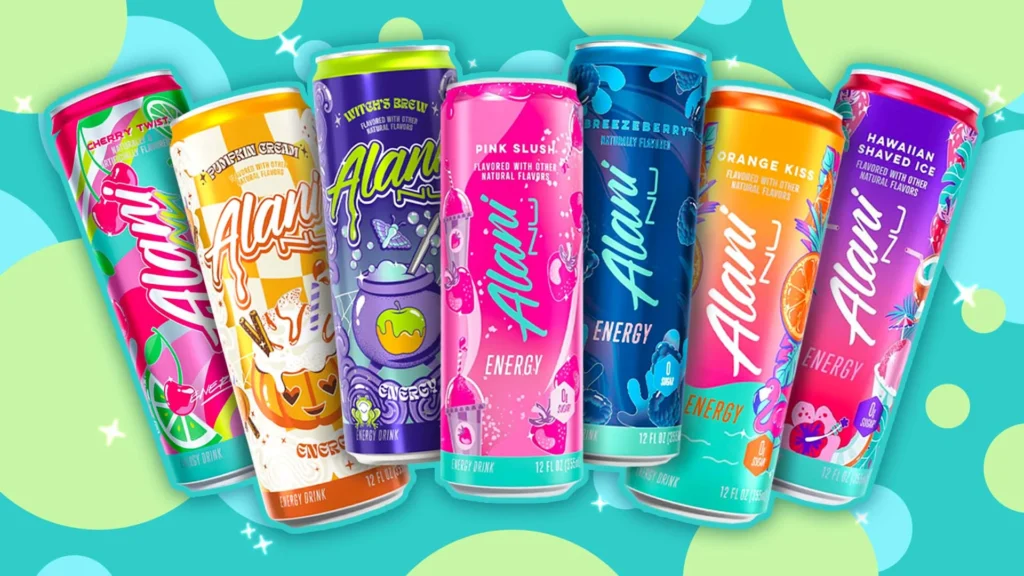
While perusing the energy drink section in the U.S., you may have encountered Alani Nu, characterized by its eye-catching pastel cans that boast a clean energy profile and no sugar. Many fans appreciate the great taste, caffeine kick, and low-calorie nature of these beverages. However, the ongoing debate remains: are Alani Nu drinks harmful to your health?
This article aims to explore the components found in Alani Nu energy drinks, their impacts on the body, potential side effects, target groups who should steer clear, and how they stack up against other popular energy drinks. With a plethora of opinions, it’s important to distinguish fact from exaggeration.
Alani Nu drinks aren’t inherently dangerous for everyone; however, like any caffeinated product, they come with their advantages, drawbacks, and safety considerations. By understanding these factors, you can determine if they should be a staple in your daily routine or just a rare indulgence.
What Are Alani Nu Energy Drinks?
Alani Nu is a brand recognized for its supplements, pre-workouts, and low-calorie energy beverages. Each can contains approximately 200 milligrams of caffeine, equivalent to about two cups of coffee. They boast zero sugar, around 10 calories, and commonly include vitamins such as B6 and B12.
Some of the key features include:
-
A quick energy boost
-
A formula designed to avoid crashes
-
Inviting flavors like Breezeberry, Mimosa, Blue Slush, and Hawaiian Shaved Ice
-
A low calorie count
-
No added sugars
While the branding is bright and appealing, the caffeine content is considerable, leading many to question whether these drinks could be detrimental. The response varies based on individual tolerance, health status, and caffeine consumption habits.
Core Ingredients in Alani Nu (And Their Functions)
To better answer the question of whether Alani Nu drinks pose a risk, let’s examine their primary ingredients:
1. Caffeine (200 mg per can)
Caffeine serves as the main ingredient, promoting alertness, focus, and increased energy levels. However, overconsumption can lead to adverse effects like jitters, insomnia, and elevated heart rate.
2. Sucralose
This artificial sweetener provides a sweet taste without the calories. While it is considered safe in moderation, some individuals may react negatively, experiencing bloating or headaches.
3. B Vitamins
B6 and B12 play vital roles in energy production and metabolism, and since they are water-soluble, excess quantities are eliminated by the body.
4. Taurine & L-Carnitine
These amino acids enhance endurance and concentration, commonly found in various energy drinks.
5. Carbonated Water & Natural Flavors
These components provide the bubbly texture and refreshing taste.
Overall, when consumed responsibly, these ingredients are generally safe for healthy adults. However, exceeding one can daily or mixing with other caffeinated products may lead to excessive caffeine intake.
Are Alani Nu Energy Drinks Bad for You? A Concise Overview
In general, Alani Nu energy drinks are not inherently dangerous, but they can pose risks if consumed excessively or by individuals with certain health issues. Typically, one can per day is safe for most healthy individuals. Risks arise when consumption surpasses recommended limits or when combined with other stimulants.
The phrase “are Alani Nu drinks bad for you” tends to trend online particularly when users encounter symptoms such as:
-
Rapid heart rate
-
Difficulties with sleep
-
Mild anxiety
-
Stomach issues
-
Headaches
Most of these effects can be attributed to excess caffeine intake rather than the drinks themselves. Everyone’s tolerance is unique, however.
Potential Side Effects of Alani Nu Energy Drinks
For those who consume Alani Nu too frequently or who have heightened sensitivity to stimulants, side effects may arise. Recognizing these can help you determine whether these drinks are suitable for you.
1. Jitters or Shakiness
A frequent indication of too much caffeine, especially on an empty stomach.
2. Increased Heart Rate
Energy drinks can elevate heart rate and blood pressure temporarily.
3. Insomnia or Restlessness
Caffeine can remain in your body for a significant duration, sometimes up to 10 hours.
4. Digestive Upset
Some individuals may experience bloating or discomfort due to artificial sweeteners.
5. Mild Anxiety
Stimulants can exacerbate anxiety or tension, particularly in those who are sensitive.
Regular occurrence of these symptoms may suggest that Alani Nu drinks don’t agree with you or may indicate poor tolerance.
Who Should Refrain from Alani Nu Energy Drinks?
While many individuals can enjoy Alani Nu safely, specific groups should either limit or avoid them entirely:
-
Expectant or nursing mothers
-
Individuals with heart issues
-
People dealing with anxiety disorders
-
Youths and children
-
Those particularly sensitive to caffeine
-
Anyone using stimulant medications
For these groups, even a single can could elevate caffeine intake beyond recommended limits. It’s wise to consult with a healthcare professional if there is any uncertainty.
Advantages of Alani Nu when Consumed Responsibly
Despite the concerns about whether Alani Nu energy drinks are harmful, they do provide certain benefits when enjoyed in moderation:
-
Quick energy boost for professional tasks, workouts, or studying
-
Zero sugar option for those looking to avoid sweetened drinks
-
Low calorie count for those managing weight
-
Appealing flavors without the typical energy drink crash
-
Convenience for on-the-go lifestyles
Many consumers regard Alani Nu as a healthier alternative to traditional energy drinks that tend to be high in sugar.
Comparison Table: Alani Nu vs Other Energy Drinks
| Feature | Alani Nu | Red Bull | Monster | Celsius |
|---|---|---|---|---|
| Caffeine | 200 mg | 80 mg | 160 mg | 200 mg |
| Sugar | 0 g | 27 g | 54 g | 0 g |
| Calories | 10 | 110 | 220 | 10 |
| Artificial Sweeteners | Yes | Some | Yes | Yes |
| Best For | High energy | Mild boost | Heavy boost | Fitness enthusiasts |
This comparison illustrates that while Alani Nu is neither the strongest nor the weakest energy drink available, its low calorie count paired with a high caffeine content necessitates moderation.
Key Points to Remember
-
Alani Nu drinks aren’t inherently harmful, although they can be risky if consumed in excess.
-
Typically, one can is safe for most healthy individuals daily.
-
The primary concern is related to excess caffeine consumption.
-
Individuals with certain health conditions should exercise caution.
-
Sensitivity to artificial sweeteners may lead to digestive issues for some users.
Frequently Asked Questions
Are Alani Nu drinks harmful to heart health?
They may pose risks for individuals with existing heart conditions, as high caffeine levels can elevate heart rate.
Is it safe to consume Alani Nu daily?
Generally, healthy adults can safely enjoy a single can each day; however, going beyond that can heighten risks.
Are Alani Nu drinks dangerous for caffeine-sensitive individuals?
Yes, they may lead to jitters, restlessness, or discomfort in those who are sensitive.
Do Alani Nu drinks cause crashes?
Most consumers report less crashing when compared to sugary energy drinks, but individual tolerance plays a significant role.
Final Thoughts
So, are Alani Nu energy drinks harmful? For the majority of healthy adults, the answer is no, assuming consumption remains moderate. Alani Nu provides a robust caffeine boost without added sugars or excessive calories, making it appealing for many. Yet, the elevated caffeine levels require mindfulness regarding daily consumption and personal tolerance.
If you enjoy the flavors and the effects, one can per day is generally safe. If you encounter jitteriness or sleep disturbances, it might be wise to reduce your intake. The key lies in listening to your body and utilizing energy drinks wisely.