Overview
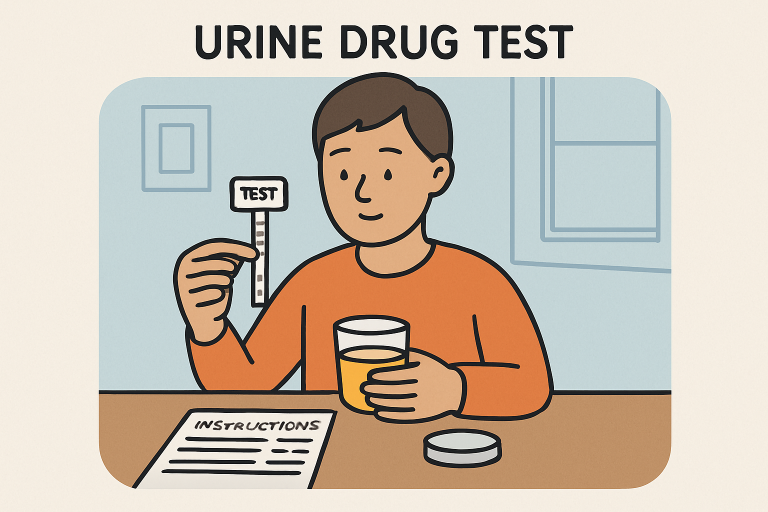
The emergence of home health monitoring devices marks a significant shift towards proactive personal healthcare, allowing individuals to take a more active role in managing their health. Among these developments, home urine drug testing kits have seen a surge in popularity due to their convenience, discretion, and user-friendliness. As concerns regarding substance use increase, more individuals are opting for at-home solutions, such as urine drug screens available in Australia, to obtain quick and confidential results while avoiding the discomfort associated with clinical environments.
These testing kits are transforming the way people and families oversee their health, providing immediate information regarding possible substance use and nurturing a more informed stance toward treatment and prevention. Simultaneously, the increasing reliance on home drug testing mirrors wider trends in healthcare, as technology and accessibility converge to empower individuals.
As digital health tools gain traction, understanding the role of home urine drug tests in personal healthcare becomes paramount. Familiarity with their accuracy, functionalities, and limitations helps users optimize their effectiveness and reduce the risks of erroneous or misunderstood results.
With healthcare professionals and employers increasingly acknowledging the benefits of remote testing, the practical application of these home kits is on the rise, further intensifying the need for clear directives on effective usage.
The Growth of Home Drug Testing
The trend towards privacy in healthcare has been hastened by the COVID-19 pandemic, resulting in heightened interest in at-home medical testing. A recent report by AARP indicates that the pandemic not only heightened awareness of at-home diagnostics but also encouraged more individuals to embrace options like home urine drug tests. Many users found that at-home tests alleviated the stigma and inconvenience associated with clinic visits, fostering more candid discussions and prompt interventions.
Urine drug testing kits are now readily available at pharmacies and online, enabling users to conduct tests discreetly for themselves or their family members. Testing from home reduces scheduling conflicts, cuts costs, and facilitates immediate feedback—features that appeal to individuals and families managing ongoing health conditions or in recovery.
Advancements in Testing Technology
One of the most notable changes in home drug testing has been technological advancement. Modern home urine drug tests frequently utilize immunoassay methods to detect multiple substances—like cannabis, amphetamines, opioids, and benzodiazepines—from a single sample.
Recent breakthroughs have enhanced both sensitivity and specificity, thereby decreasing the likelihood of false positives or negatives. Some of the latest devices even incorporate smartphone applications to assist users in interpreting results, further enabling individuals to take charge of their health management and share data efficiently, if needed. Clinical validation and heightened regulatory scrutiny are also fostering improvements in transparency and reliability for consumers.
Personal Healthcare Applications
Home urine drug test kits serve a variety of important functions in personal healthcare. Many individuals utilize them to discreetly monitor their substance use, which is particularly beneficial for those undergoing addiction recovery who need to demonstrate abstinence or track potential relapses. These tests can also assist patients on medication to ensure proper usage and avoid accidental misuse. For a more comprehensive understanding of urine drug screens and their operations, consult the Healthline guide on urine drug screening.
For parents, at-home testing promotes open and non-judgmental conversations about drugs with adolescents, facilitating early detection of issues and enabling tailored support. Caregivers can also monitor at-risk family members, such as elderly or disabled relatives, where adherence to medication is critical. This support can contribute to improved health outcomes and greater peace of mind.
Implications for the Workplace
The shift to remote work has prompted organizations to rethink their traditional drug screening methods. Home testing presents a viable solution for employers wishing to uphold drug-free environments without requiring employees to visit clinics—especially vital for remote or distributed teams.
Companies have integrated home test kits into onboarding processes, periodic assessments, or in cases of reasonable suspicion. However, this transition raises concerns, leading to a demand for more rigorous protocols, tamper-proof technology, and clear communication regarding the repercussions for falsified results among employees.
Recognizing Testing Limitations
Despite the increased accessibility of home urine drug tests, it’s essential to acknowledge their limitations. Different substances come with distinct detection windows, meaning that some may be undetectable after a certain time, no matter how recently they were used. Certain foods, medications, or supplements can trigger false positives, and improper sample collection may result in inaccurate findings.
Most home tests provide qualitative results, signifying only the presence or absence of substances rather than quantifying them. This can lead to confusion when differentiating between light exposure, chronic usage, or therapeutic drug levels. Thus, any positive or unexpected results should be confirmed through laboratory testing, which offers greater accuracy and quantification.
Best Practices for Ensuring Reliable Results
To enhance the reliability of results from home urine drug tests, it’s vital to adhere to established best practices:
- Carefully review and follow the manufacturer’s instructions prior to use.
- Ensure that the test is unexpired and has been stored according to the kit’s guidelines.
- Time the sample collection to align with the known detection periods relevant to the substances being tested.
- If a positive result is obtained, seek verification through a healthcare professional or laboratory analysis.
Knowing how to use these tests properly increases the credibility of home testing results and helps ensure that healthcare or employment decisions are grounded in reliable evidence.
Final Thoughts
Home urine drug tests are transforming personal healthcare, granting individuals immediate authority over screening for substance use while cultivating a sense of privacy and empowerment. As technology continues to enhance the reliability and capabilities of these kits, they become increasingly essential for individuals, families, and organizations alike. Nevertheless, it remains crucial to understand their limitations and to complement at-home results with professional guidance when necessary to ensure well-informed and reliable healthcare decisions.