Scalp micropigmentation (SMP) represents a revolutionary approach for those dealing with hair loss or aiming to conceal various scalp conditions. According to FinModelsLab, the market for scalp micropigmentation was valued at $70 million in 2020, and is anticipated to grow to $190 million by 2027.
This procedure, which is non-invasive, involves the application of specialized pigments to the scalp that simulate the look of natural hair follicles. While the execution of the procedure is paramount for achieving the desired appearance, the aftercare stage is essential for ensuring enduring and optimal results.
Insights into Scalp Micropigmentation
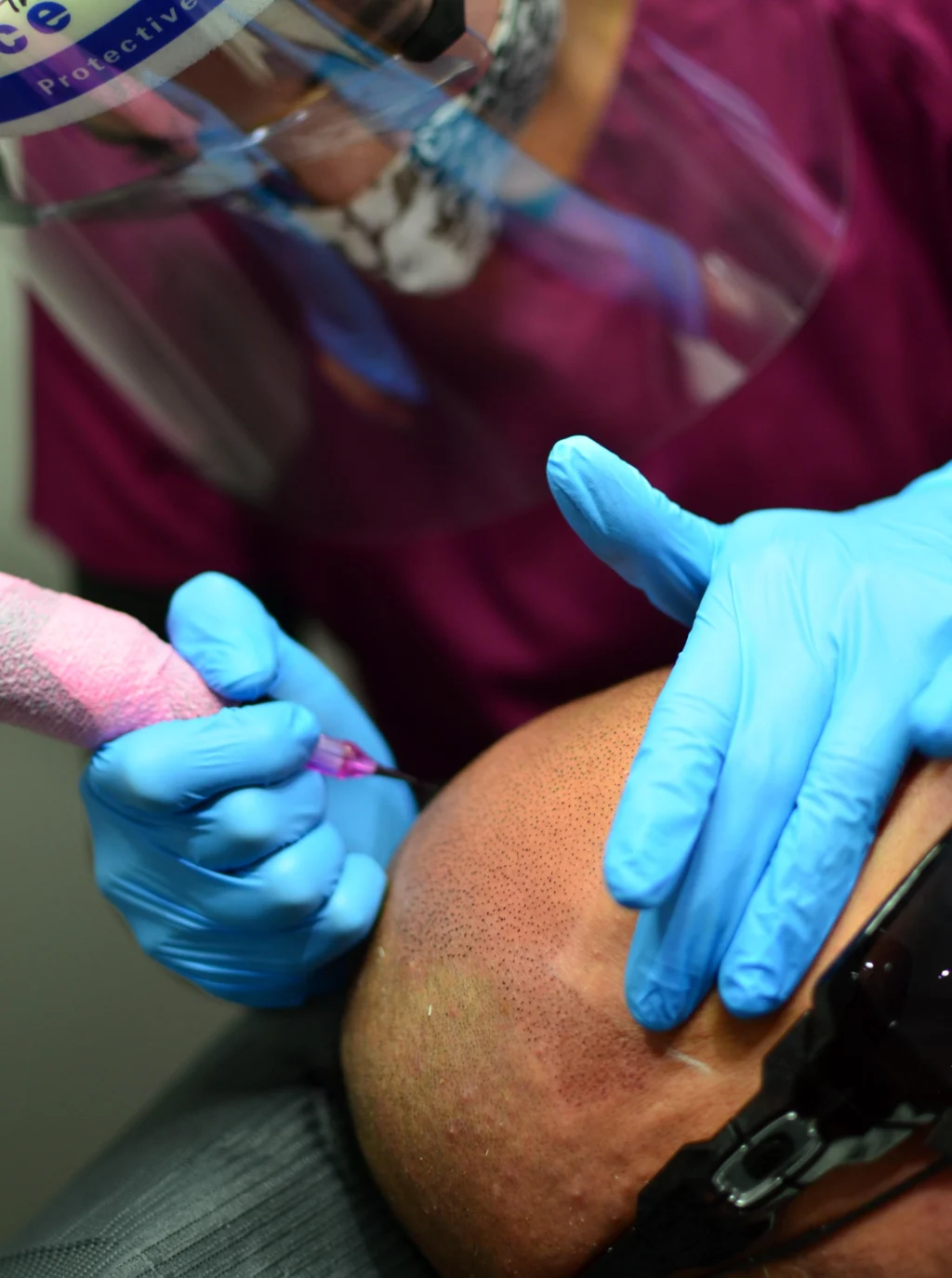
Scalp micropigmentation entails applying tiny ink dots onto the scalp to forge a hairline. This method has gained popularity as an alternative to hair transplantation, relying on ink rather than actual hair follicles. However, it is important to note that new hair follicles are not created; instead, the treatment effectively colors the hairline, giving the illusion of natural hair.
Although many individuals are turning to hair transplants—evidenced by a report from the International Society of Hair Restoration Surgery, which indicated that over 703,183 hair transplant procedures were executed globally in 2021—a hair transplant can be an expensive and uncomfortable process. In contrast, scalp micropigmentation provides an affordable, non-invasive alternative for achieving a realistic hairline.
The technique involves the use of an ultra-fine needle to inject ink just beneath the scalp’s surface. As the healing process occurs, the ink spreads into multitude of tiny dots that resemble the appearance and texture of real hair. Since no incisions are involved, the recovery time is typically quicker compared to other methods, such as laser removal or electrolysis.
The Importance of Aftercare
It’s critical to understand that scalp micropigmentation does not offer a permanent fix for hair loss. As noted by ink2scalp SMP Studios, aftercare plays a vital role in the scalp micropigmentation journey. This step is crucial for ensuring that your new look remains intact for years to come.
Aftercare can be conducted by yourself or a professional, depending on your comfort level and expertise with skincare products. While aftercare items can be found at most beauty supply stores, it’s preferable to source them directly from the manufacturer to guarantee familiarity with their product’s ingredients.
Moreover, many manufacturers maintain online retail outlets where you can conveniently order aftercare products and have them delivered to your doorstep according to your schedule.
Factors Impacting Aftercare
Aftercare for scalp micropigmentation can be influenced by several factors. For instance, different skin types react distinctly to cosmetic treatments. Thus, individuals with sensitive skin may require additional care during the recovery phase.
In addition, aftercare guidelines can differ based on the specific techniques employed by the SMP technician. Elements such as needle size, the depth of pigment implantation, and overall methodology can all affect the healing timelines. Furthermore, the type of pigment utilized during the SMP process can dictate particular care needs to achieve optimal outcomes and longevity.
The configuration and application method of SMP needles are also relevant. An article from the NCBI highlights that SMP needles may consist of a single needle or multiple needles, with diameters ranging from 0.20 to 0.35 mm. Thus, aftercare may vary based on both the size and usage technique of the needle employed by the technician.
Aftercare Instructions for Scalp Micropigmentation
Here are some succinct aftercare recommendations for Scalp Micropigmentation:
- Shield from the sun: For at least a week following the procedure, avoid direct sunlight on your scalp. Wearing a hat while outdoors can offer protection.
- No swimming or intense sweating: Refrain from swimming and excessive sweating for a minimum of one week. Engaging in such activities can jeopardize the healing process.
- Clean gently: Use a mild, non-fragrance, and alcohol-free cleanser as advised by your technician to cleanse your scalp softly. A soft cloth or fingertips should be employed.
- Refrain from scratching: It is essential to avoid scratching or picking at the treated area to safeguard the healing process and pigment retention.
- Limit hair products: Avoid using hair products, including shampoos and conditioners, within the first few days on the treated area.
- Evade steam and hot showers: For the first week, stay away from steam rooms and hot showers to prevent excessive heat from opening your pores and affecting healing.
- Avoid touching: Steer clear of touching or rubbing the treated area with your hands to prevent introducing bacteria and to aid in healing.
- Moisturize as suggested: Adhere to your technician’s advice regarding scalp moisturizing to combat dryness and support healing.
- Limit physical exertion: Refrain from vigorous activities that could induce excessive sweating or impact the treated area.
- Follow up with your technician: Attend any scheduled follow-up appointments to evaluate the healing process and address any issues.
- Avoid harsh chemicals: Stay away from aggressive chemicals often found in hair dyes and styling products, as these may irritate the treated skin.
- Shield from elements: Protect your scalp from detrimental environmental conditions, such as pollution and extreme weather, to enhance the longevity of the pigmentation.
Adhering to these aftercare guidelines will help you achieve the anticipated results from the procedure, with effects potentially lasting several years or more.
Successfully implemented, scalp micropigmentation can provide lasting aesthetic benefits for years. A study published in the Journal of Craniofacial Surgery revealed that about 80% of individuals who underwent SMP in 2021 were satisfied with their results, and 100% indicated they would recommend the process to others facing hair thinning issues.
Aftercare Products and Tools
Establishing a strong aftercare regimen is vital for maintaining the appearance of your scalp micropigmentation. Below are some essential products and tools that are commonly utilized for aftercare in SMP:
Gentle Non-Alcoholic Cleanser:
- Purpose: To maintain cleanliness in the treated area and reduce infection risk.
- Recommendation: Opt for a gentle, non-alcoholic cleanser to minimize irritation.
Specialized SMP Aftercare Creams:
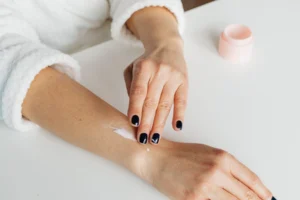
- Purpose: To hydrate the scalp and prevent excessive dryness or flakiness.
- Recommendation: Many SMP professionals suggest using specially formulated aftercare creams designed for tattoo healing.
Mild Shampoo:
- Purpose: To cleanse the scalp without causing irritation.
- Recommendation: Select a mild, fragrance-free shampoo to mitigate any potential allergic reactions.
Sunscreen:
- Purpose: To shield the SMP from UV damage, which can cause the pigment to fade over time.
- Recommendation: Apply a broad-spectrum sunscreen with a high SPF and reapply frequently, especially when in sunlight.
Silk Pillowcase:
- Purpose: To minimize friction and irritation during sleep.
- Recommendation: Silk pillowcases are gentle on the scalp, helping to uphold the integrity of the SMP.
Cold Compress:
- Purpose: To reduce initial swelling or discomfort.
- Recommendation: A cold compress can be applied for brief periods during the first few days following the procedure.
Ultimately, the aim of scalp micropigmentation is to create a natural-looking hairline that endures over the years. Adhering to proper aftercare practices and utilizing the appropriate products and tools are crucial for this outcome. Fortunately, most individuals find these steps straightforward once they understand the needs specific to their experience.