
Back issues can span from mild discomfort to severe conditions, and our spines are particularly susceptible to various ailments. Without adequate preventive measures, problems such as sciatica or scoliosis can emerge. Whether you’re dealing with a long-standing issue or a sudden pain, grasping the root causes and the best treatment options can feel daunting. In this article, we’ll delve into some of the most prevalent spine-related disorders and explore effective strategies to manage them.
1. Scoliosis
Scoliosis is identified by an abnormal lateral curvature of the spine, typically developing during growth spurts in youth but can also manifest in adults due to degeneration. The exact cause remains largely unidentified, though it’s often associated with conditions like cerebral palsy and muscular dystrophy.
Treatment for scoliosis varies based on how severe the curvature is. For mild cases, regular observation may suffice. However, more pronounced curvatures might necessitate consultation with an advanced neurosurgeon in Sydney for corrective measures such as braces or surgical options. Physical therapy can aid in alleviating symptoms and enhancing physical function, making professional advice essential for tailored care.
2. Herniated Disc
A herniated disc occurs when the softer inner material of a spinal disc protrudes through its outer shell, sometimes impinging on nearby nerves and leading to pain. This condition is often the result of age-related degeneration or injury. Symptoms can vary from low-grade aches and tingling sensations to severe pain radiating through the legs.
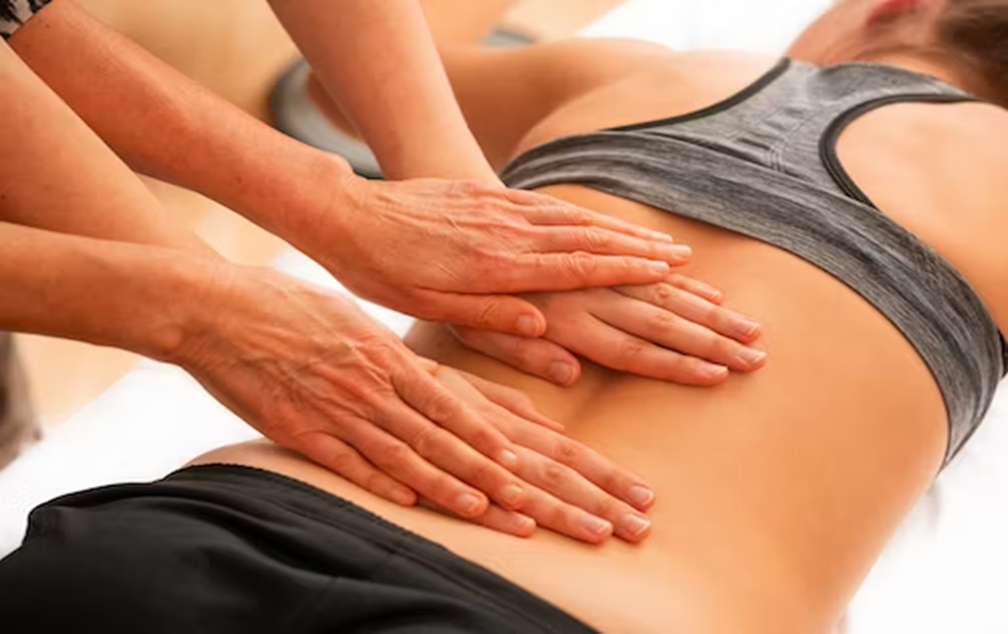
Usually, herniated discs can be managed through conservative methods like physical therapy, modifying activities, and using anti-inflammatory medications. In some instances, stronger interventions, such as steroid injections or surgery to remove the affected disc, may be necessary.
3. Sciatica
Sciatica describes pain that travels along the sciatic nerve, extending from the lower back down to the legs. This pain can vary in intensity and may be accompanied by sensations of tingling or numbness in the affected areas. Typical culprits include herniated discs or spinal stenosis, which can exert pressure on the nerve, leading to discomfort.
To alleviate sciatica, healthcare providers often recommend medications that reduce inflammation and manage pain. Additionally, physical therapy can strengthen spinal-supporting muscles and enhance mobility. In severe instances, surgical procedures might be required to address a herniated disc or relieve nerve compression from other underlying issues.
4. Spinal Stenosis
Spinal stenosis is characterized by a narrowing of the spinal canal, which can pressure the nerves, causing pain. This narrowing can stem from age-related degeneration, arthritis, or injury. Symptoms may include discomfort, numbness, tingling, and muscle weakness.
Management strategies for spinal stenosis typically involve anti-inflammatory medications, physical therapy, and lifestyle changes. If these conservative measures fail, surgical options may be considered to achieve relief.
5. Spondylolisthesis
Spondylolisthesis occurs when one vertebra slips out of its normal position and exerts pressure on nearby nerves, leading to pain. It is often a result of wear and tear due to aging or injuries. Symptoms might include back pain, muscle spasms, weakness in the legs, or sciatica.
Approaches to treating spondylolisthesis can include anti-inflammatory medications, rest, physical therapy, and the use of braces. In more extreme cases, surgery might be proposed to restore proper spinal alignment. Having an in-depth discussion with a healthcare professional about all available options is crucial before making any decisions.
6. Compression Fractures
A compression fracture refers to a break within the vertebrae, often caused by trauma or weakened bones from conditions like osteoporosis. Symptoms can involve pain, muscle weakness, and challenges with standing or walking. Typical treatment includes rest, anti-inflammatory medications, and physical therapy. In serious cases, surgical stabilization of the spine may be required.
The spine’s complexity means that any issues should not be overlooked. Proactive measures like regular exercise, maintaining proper posture, and avoiding certain movements can significantly mitigate the risk of developing back problems. Nevertheless, if symptoms persist or exacerbate, seeking medical attention is critical to identify the best treatment path.
Spinal issues are prevalent and can greatly affect your daily activities. Gaining insight into these various issues is vital for appropriate management and treatment. Emphasizing preventive care and recognizing when medical help is needed is essential for maintaining optimal spinal health. With the right support, you can keep your spine strong and functioning well for many years to come.