
In our fast-paced lives, it is common to overlook the importance of self-care. A crucial element of this is scheduling regular health assessments, which play a significant role in achieving a balanced and productive existence. This article emphasizes the importance of prioritizing health check-ups and how they are integral to your overall health.
Understanding Health Check-Ups
Health checks typically consist of various screenings and examinations aimed at evaluating different facets of your health. One essential aspect is taking vital signs, including blood pressure, heart rate, and body temperature, which can help identify potential health risks or irregularities.
These assessments often involve a review of pertinent factors influencing your health, such as personal medical history and lifestyle choices. By thoroughly understanding your unique health profile, healthcare professionals can offer tailored advice and recommendations. Moreover, specific tests may be performed based on age, gender, existing health conditions, or known risk factors.
Significance of Early Detection in Treatment
Regular screenings and health evaluations can uncover potential health issues at their onset. For instance, elevated cholesterol or glucose levels may signal risks for heart disease or diabetes. Additionally, screenings like mammograms and Pap smears are vital for early identification of breast and cervical cancers. Catching these conditions early greatly enhances the effectiveness of treatment and lowers the chances of developing severe complications.
Health assessments enable doctors to create individualized prevention strategies for their patients. For example, Dr. Paul Manohar, a specialist in urology, notes that his practice commonly addresses issues related to prostate health, kidney function, and urinary tract concerns. Patients may also seek advice on procedures such as vasectomy, managing sexual dysfunction, or circumcision. By tackling health issues promptly, individuals can avoid higher healthcare costs down the line.
Furthermore, these health evaluations can aid in developing customized prevention plans. For instance, if heart health is a concern, you may want to explore options like the generic version of Eliquis, which helps manage specific heart conditions.
Monitoring Cholesterol Levels
Cholesterol, when accumulated in arteries, increases the risk of heart disease. Regular health screenings that include blood tests are essential for assessing cholesterol levels and determining if they fall within a healthy range.
Given that high cholesterol often presents no noticeable symptoms, regular check-ups are critical. Identifying high cholesterol levels early allows for timely interventions, whether through lifestyle modifications or medications, thereby preventing severe complications such as heart attacks or strokes.
Recognizing Elevated Blood Sugar Levels
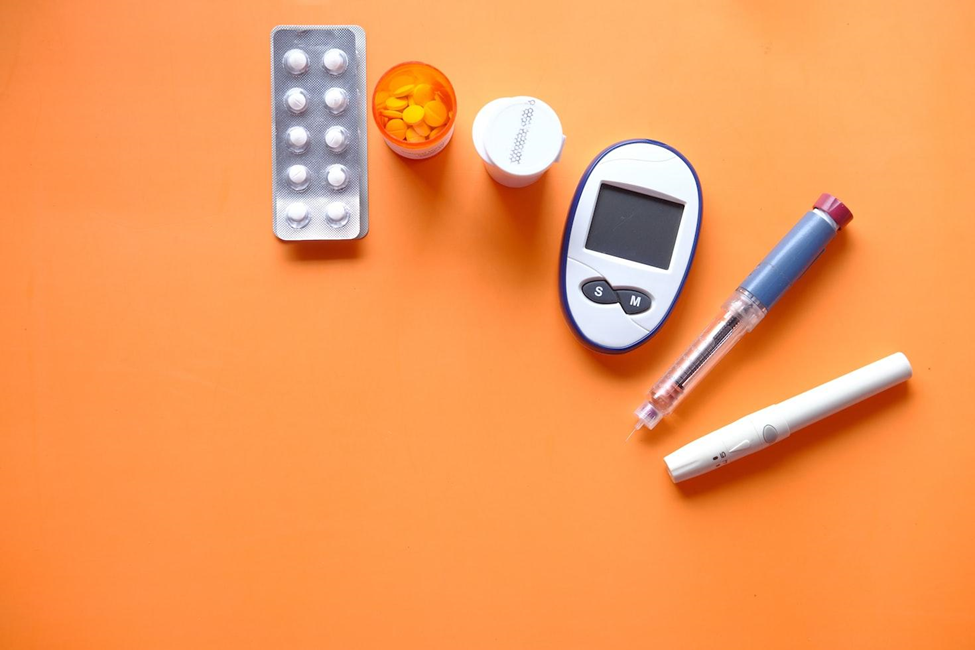
High blood sugar, or hyperglycemia, can signal diabetes or prediabetes. Regular monitoring of blood sugar levels is vital for early detection of anomalies, enabling proactive management of your health. If left uncontrolled, high blood sugar may lead to serious complications, such as cardiovascular diseases or kidney damage.
Prompt identification of elevated blood sugar levels allows individuals to implement necessary lifestyle alterations, like improving dietary habits and increasing physical activity, to avoid potential health risks. Routine monitoring is particularly important for those with a family history of diabetes or for individuals at higher risk due to obesity or sedentary lifestyles.
Paving the Way for Dietary Enhancements
If you experience health issues related to your diet, a referral to a dietitian may be beneficial. They can provide tailored strategies, such as carb counting, which assists in tracking carbohydrate intake to manage blood sugar levels effectively. This is particularly crucial for those with diabetes or insulin resistance.
Various mobile applications are available to help users track their dietary habits, making healthier choices easier. Many of these apps feature calorie counting and meal planning tools that foster awareness of dietary intake and promote necessary lifestyle adjustments.
Encouraging Fitness Improvements
Routine health exams provide an opportunity for healthcare professionals to evaluate your physical well-being and recommend an exercise plan tailored to your needs and ambitions. They can assess your capacity for specific physical activities and suggest modifications if required, promoting a minimum of 30 minutes of daily aerobic exercise.
This is also an excellent time to discuss gym memberships with your healthcare provider, who can assist in selecting a gym that meets your preferences and fitness goals. They might suggest joining particular fitness classes or programs that align with your interests, ensuring that regular gym attendance aids in accessibility to diverse exercise resources.
Improving Sleep Quality
Good quality sleep is essential for enhancing memory, improving cognitive function, and increasing productivity. It plays a role in hormone regulation for appetite control, decreasing the risk of weight gain. Furthermore, adequate rest bolsters the immune system, thereby reducing susceptibility to illnesses. Insufficient sleep has been linked to an increased likelihood of chronic health issues, including heart disease and diabetes.
Establishing a regular bedtime routine and engaging in calming activities, such as reading or taking warm baths, can signal your body to wind down. Creating a restful sleep environment free from excessive noise and light interference also contributes to improved sleep quality. For those struggling with sleep disorders, healthcare professionals can offer valuable advice, including possible medication options.
In summary, prioritizing regular health assessments represents a significant investment in your long-term wellness. These evaluations ensure that your health and lifestyle are optimized, allowing you to fully embrace and enjoy every moment of life.